Iron
Feeling tired? It might be your iron levels.
Iron is an important dietary mineral that the body needs to work well. The body needs iron so red blood cells can carry oxygen around the body. This keeps our energy levels up. Iron is also important for storing proteins in our muscles, which supports physical performance. Iron is also crucial for immune system function.
Your body needs the right amount of iron
Low iron or iron deficiency anaemia is a common problem in New Zealand. If you do not have enough iron in your body you may:
feel tired
find it hard to think and concentrate
find it harder to learn
be more at risk of infections and illnesses
feel the cold more than others
Who needs iron?
Iron is important for everyone. Our need for iron differs over our lifetime and not getting enough is common.
People at risk of iron deficiency are:
infants, children and teenagers, as they grow quickly
teenage girls and adult women due to monthly blood loss
pregnant women, as their iron requirements increase considerably with the growing foetus
athletes and very active people as they often have higher losses e.g. from strenuous exercise and altered food intake
vegetarians or vegans, as they may not eat sufficient iron-containing foods
people who have a problem with their gut not absorbing enough iron from foods they eat.
Where can I get iron?
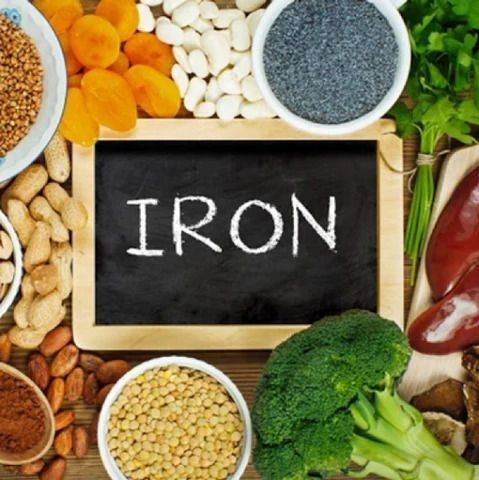
The best food sources of iron are:
beef and lamb (the redder the meat, the more iron there is in it)
chicken, fish and seafood
Other food sources are:
grains: porridge, oatmeal, iron-fortified breakfast cereals (ie, Weetbix) and wholegrain breads
vegetables: greens (spinach, silverbeet, lettuce), beans and peas, pumpkin and sweet potatoes
eggs
chickpeas, beans, lentils
some nuts.
Tips for increasing iron absorption
Vitamin C can increase the absorption of non-haem iron. So, when you eat plant foods that contain iron, also eat foods high in vitamin C, like kiwifruit, citrus fruit, tomatoes and broccoli.
If you have low iron levels, do not drink tea, coffee or wine with your meal. The tannin in these drinks binds to the iron in the foods you are eating, so less can be absorbed and used by your body. Wait until at least one hour after eating.
Iron supplements
If you require iron supplements, do not take too much as it can be harmful. Taking too much iron in the form of supplements may lead to:
constipation
nausea
vomiting
stomach pain.
Taking 20mg or less a day of iron supplement is unlikely to cause harm.
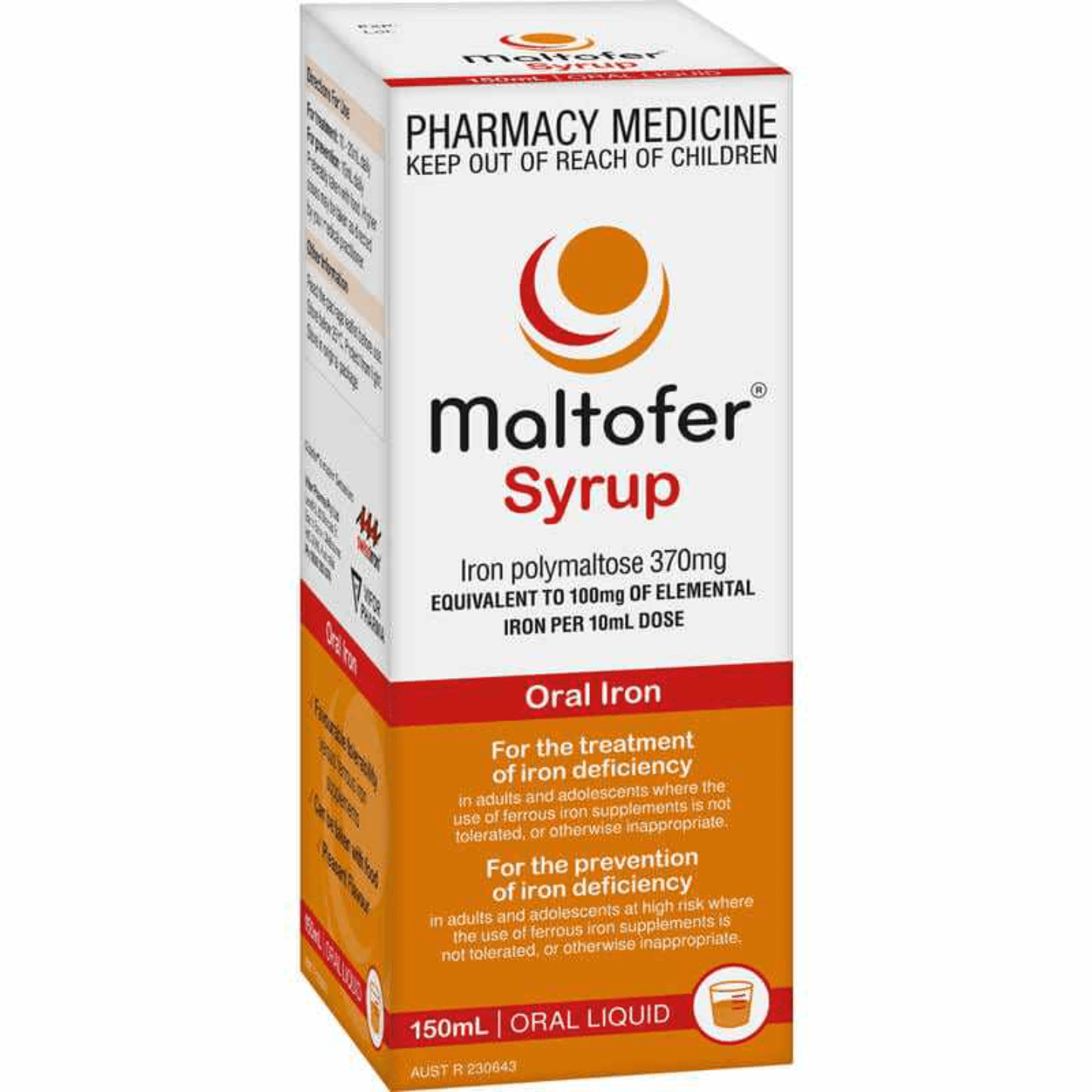
Maltofer Syrup
Maltofer is used for the treatment of iron deficiency in adolescents and adults where the use of ferrous iron supplements is not tolerated or otherwise inappropriate.
Maltofer is clinically proven to correct iron levels and is less likely to cause constipation than ferrous iron supplements.
Iron Melts
Iron Melts™ are a unique, fizzy, strawberry tablet that dissolve in the mouth. They are a great supplement for kids and easy for adults
Main benefits:
Supports energy and endurance
Provides extra iron
Gentle on the tummy
Delicious fizzy strawberry tablets that dissolve in the mouth
Provides iron plus key nutrients for iron absorption
Great for kids 4 years and over and adults
Recommended for:
People whose diet is low in iron
Those who need support with health iron levels
Made with:
Iron, Folic acid, Vitamin B12
Also contains Vitamin C to assist with the absorption of iron


Ferro Lipo-Sachets
Ferro Lipo-Sachets are innovative iron supplements that use liposomal technology to enhance iron absorption and reduce common side effects like stomach upset or constipation. The iron is encapsulated in a biocompatible liposome, making it gentle on the digestive system.
Ferro-Tab
Ferro-Tab is a conventional iron tablet supplying elemental iron to help produce red blood cells and support oxygen transportation in the body. The tablets are taken orally and work by replenishing iron stores, helping to reduce symptoms like tiredness, weakness and fatigue linked to low iron levels.
For more information you can visit:
https://nutritionfoundation.org.nz/nutrition-facts/minerals/iron