First Aid Supports
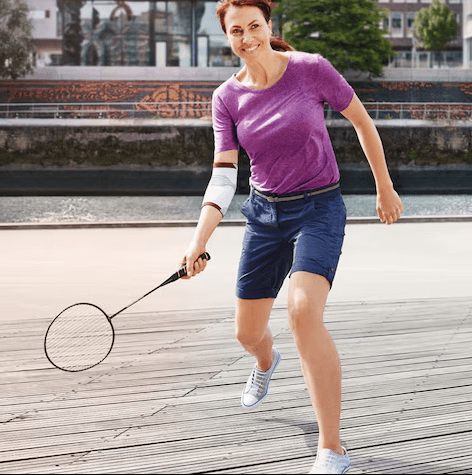
Accidents and minor injuries are a fact of life, whether it’s a sprained ankle on the sports field, a strained wrist in the garden or a pulled muscle at work. Knowing a few basic first aid tips and having supports on hand can make a big difference in how quickly you recover and get back to daily activities.
Caring for minor injuries
Most strains, sprains and soft tissue injuries can be managed effectively at home with prompt action and the right supplies. Start with the RICER approach:
Rest: Avoid using the injured area to prevent further harm
Ice: Apply a cold pack to reduce pain and swelling (for 10–15 minutes every few hours)
Compression: Use a bandage or support to minimise swelling
Elevation: Keep the injured part raised above heart level where possible
Referral: See a health professional if you have any questions or are worried about your injury
It’s important to watch for signs of serious injury. Intense pain, inability to move the limb, or severe swelling warrant a trip to your doctor.
When it comes to everyday first aid, having the right tape on hand can make all the difference. Whether you’re securing a dressing, protecting a wound or supporting minor injuries, first aid tapes are a simple but essential part of any well stocked kit.
Because it’s so adaptable, a good tape can handle everything from minor mishaps at home to more active, on-the-go situations.
Common uses
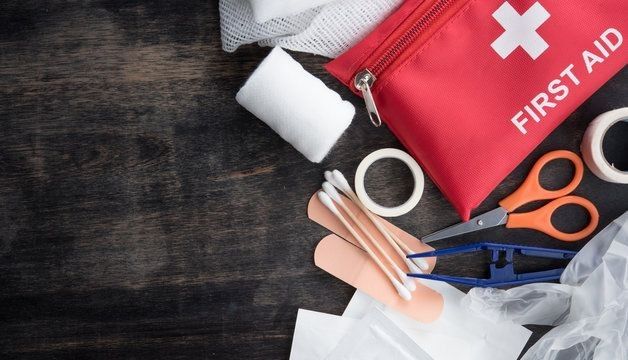
Depending on the situation, tapes can be used for:
protecting small cuts and grazes
securing gauze or dressings for more serious wounds
supporting sprains or minor injuries
holding medical devices (like tubing or pads) in place
providing light support to fingers or joints
protecting vulnerable areas from friction or rubbing
prevent blisters by securing protective padding
Choosing the right tape
A good tape strikes a balance between staying secure and being gentle on the skin. When selecting a first aid tape, its best to consider adhesion, breathability, comfort and ease of use.
Strong and durable tapes are ideal for active situations or areas that move frequently. These tapes offer high adhesion and tensile strength, meaning they stay in place even under strain.
Water-resistant options are useful for keeping dressings secure in wet conditions, such as during sports or daily activities where exposure to water is likely.
Sensitive skin tapes are designed to be gentle, making them suitable for children, elderly skin, or anyone prone to irritation. These tapes are easier to remove and minimise discomfort.
Getting the application right
Using first aid tape effectively can make a big difference in comfort and results. Apply tape to clean, dry skin for the best hold, and avoid wrapping too tightly as this can restrict circulation and cause discomfort.
When removing tape, take care to peel it back slowly in the direction of hair growth. If the skin is sensitive, supporting the skin as you remove the tape can help reduce irritation.
Leukoplast Tapes
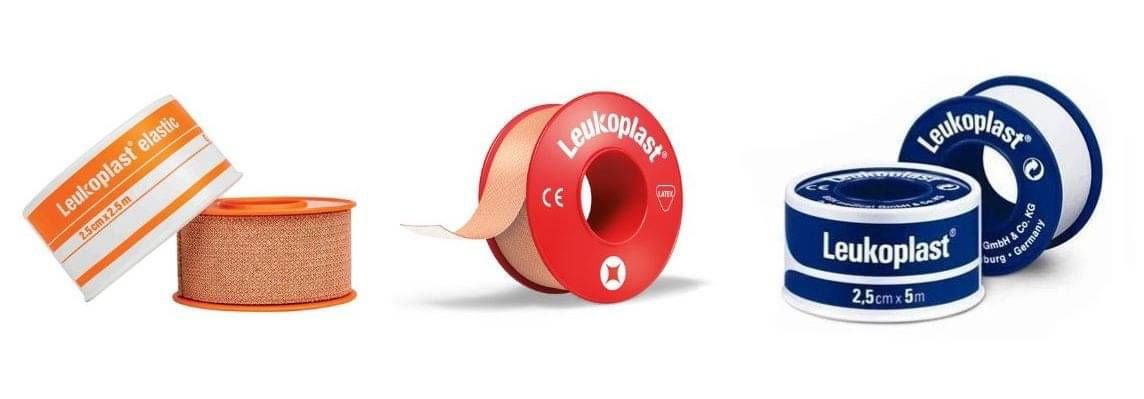
Leukoplast tapes are high-quality medical adhesive tapes designed to secure dressings, bandages and medical devices firmly in place. Leukoplast tapes have a strong zinc oxide adhesive and are flexible to conform to body movement.
With waterproof, elastic, sensitive and heavy duty options, Leukoplast has a broad range of tapes that meet every conceivable requirement. They are customised for every skin type, with antimicrobial spools and snap rings.
Keeping a reliable option like Leukoplast tapes on hand means you’ll always be prepared, whether it’s for everyday scrapes and dressings, or other situations where durability really matters.